George Boulios: The Human Dimension of Design and Entrepreneurship
In an exclusive interview with APAC Entrepreneur, the distinguished entrepreneur shared his fascinating entrepreneurial journey.
By
Apac Entrepreneur Staff

In an exclusive interview with APAC Entrepreneur, the distinguished entrepreneur shared his fascinating entrepreneurial journey.

GEORGE BOULIOS, FOUNDER AND CREATIVE LEAD, ARTIO INTERIOR DESIGN
Perspective is often the force behind transformative ideas. It influences how opportunities are recognised, challenges are approached, and ventures evolve beyond their original ambition. In an increasingly crowded landscape, those who endure are seldom the loudest voices in the room; they are the ones who remain steadfast in the value they seek to create. For George Boulios, Founder of Artio Interior Design, that pursuit has long centred on a belief that design should carry soul, not merely style, and that spaces possess the power to shape experiences, foster connection, and leave a lasting impression on those who inhabit them.
Raised in Greece, amid a landscape where history lingered in stone façades and everyday life unfolded against a backdrop of enduring architectural heritage, he developed an early appreciation for the dialogue between people and the spaces they inhabit. What began as fascination gradually evolved into a deeper understanding: design is not merely about style or what catches the eye, but about soul and what stays with us long after we leave a room.
That awareness would later influence not only his creative philosophy but also the entrepreneurial mindset with which he approached his work. “The spaces we remember are rarely the most extravagant; they are the ones that understood us,” he reflects. In many ways, his journey has been guided by that very belief, that thoughtful design, much like meaningful entrepreneurship, begins with paying attention to how people live, feel, and connect.
Years spent across Athens, Cyprus, and New York offered George a front-row seat to different design philosophies, each shaped by its own rhythm, priorities, and cultural sensibilities. Yet it was Hong Kong, a city where ambition moves at breakneck speed and reinvention is practically a way of life, that compelled him to put down roots and establish Artio Interior Design. In an environment where deadlines often call the shots, he recognised a recurring trade-off: efficiency was gaining ground, but originality was losing its seat at the table.
Artio was conceived as a response to that imbalance. By embracing a design-and-build approach, Boulios sought to bridge the gap between vision and execution, guiding projects from concept to completion without losing sight of the human experience at their core. “A space should do more than impress at first glance; it should continue to reveal itself over time,” he says. In many ways, that philosophy defines Artio itself, where practicality and poetry are not opposing forces but two sides of the same coin, and where every space is designed to carry soul, not just style.
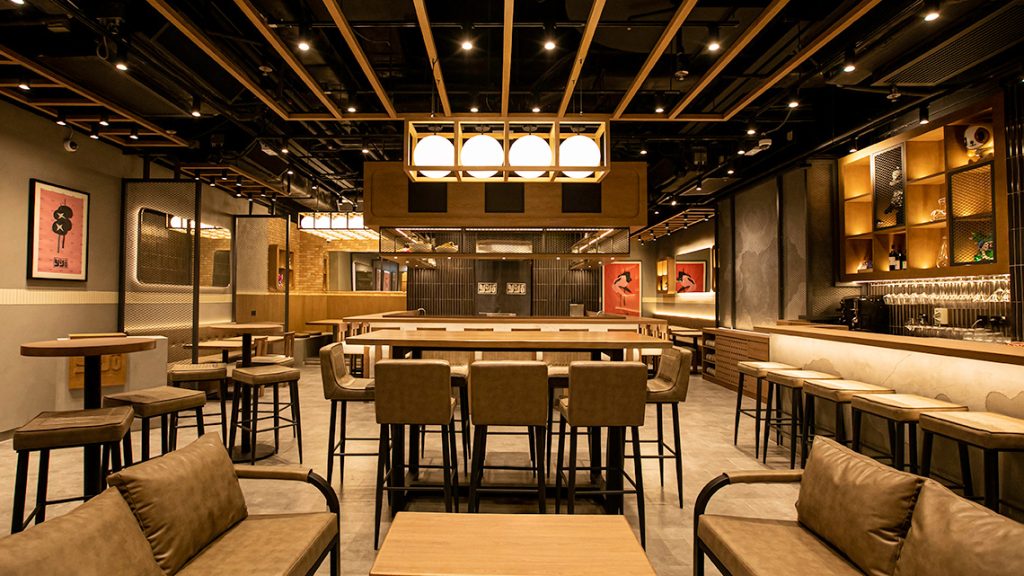
Expanding a design practice across different markets is not merely an exercise in scaling operations; it is an ongoing lesson in understanding people. For Boulios, one of the most significant challenges in growing Artio Interior Design has been navigating the diverse expectations, cultural nuances, and personal narratives that clients bring to the table. No two projects move to the same beat. What feels intuitive in one context may require a completely different approach in another, and assumptions, if left unchecked, can quickly become stumbling blocks.
Rather than treating these differences as obstacles, George came to regard them as opportunities to refine both his craft and his leadership. He discovered that successful design begins long before sketches are drawn or materials are selected. It begins with listening. “People may speak different languages, but everyone wants to feel understood,” he reflects. That philosophy has shaped the way Artio operates, fostering open dialogue, mutual respect, and clarity at every stage of the process.
The same principle extends to the business itself. Creative excellence cannot thrive in chaos. By surrounding himself with a strong team, establishing disciplined systems, and prioritising transparent communication, Boulios has built a framework that safeguards both quality and growth. After all, while inspiration may light the spark, consistency keeps the fire burning.
Leadership, much like design, is rarely a one-size-fits-all endeavour. Residential projects often call for sensitivity and patience, while commercial spaces demand agility and strategic thinking. Moving between the two requires more than technical expertise; it requires the ability to read the room, adapt, and bring people together around a shared vision.
For George Boulios, leadership has always been rooted in collaboration rather than command. He values the exchange of ideas, creating an environment where team members feel encouraged to contribute while still benefiting from clear direction and a steady hand when decisions need to be made. With clients, his approach is equally intentional. Beyond briefs, budgets, and timelines lies a deeper responsibility: understanding how people wish to live, work, and experience the spaces created for them. “The best ideas rarely arrive with the loudest voice; they emerge when people feel heard,” he reflects. This balance between openness and decisiveness has become central to the way Artio operates. After all, when everyone is rowing in the same direction, the journey becomes just as meaningful as the destination.
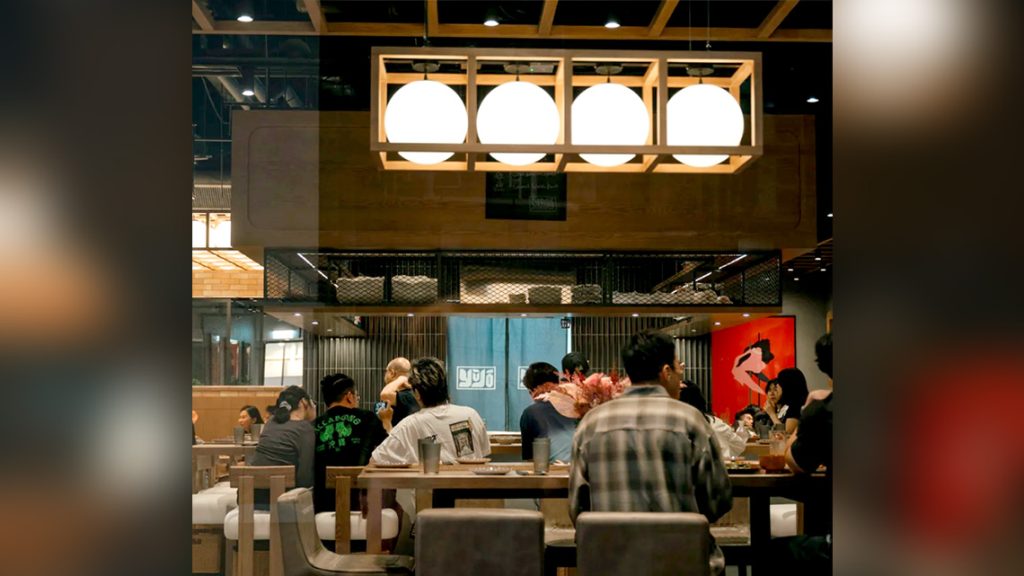
George views success less as reaching a destination and more as staying faithful to the intention that set the journey in motion. Building a studio grounded in strong values, creating spaces that genuinely enrich the lives of those who inhabit them, and leading with integrity have come to matter far more than external markers of achievement. The final reveal of a project may draw attention, but the principles that shape it behind the scenes, honesty, consistency, and purpose, are what endure.
Balancing the creative demands of design with the practical realities of running a business is, as he describes it, an exercise in finding the right rhythm. Priorities must be clear, systems need to support rather than stifle creativity, and trust within the team becomes indispensable. “Success is not measured by how much you can carry alone, but by the culture you build and the lives you improve along the way,” he reflects.
Outside the studio, time spent in nature with his wife, daughter, and son serves as a recalibration. Those moments offer perspective, allowing him to step away from the noise, reconnect with the purpose that first guided his journey into interiors, and return with renewed clarity. In a world that often celebrates constant motion, Boulios has learned that sometimes the most important step forward begins with knowing when to pause.
Looking ahead, George Boulios envisions Artio Interior Design evolving alongside the rapid transformations reshaping both the design landscape and the wider world of business. Technology, particularly artificial intelligence, will undoubtedly continue to expand the boundaries of what is possible, accelerating workflows, refining processes, and unlocking new avenues for creativity. Yet, in Boulios’ view, innovation should serve as a compass rather than a substitute. The tools may change, but the essence of meaningful design remains remarkably constant: understanding people.
As Artio embraces AI and other emerging technologies, its long-term vision remains firmly anchored in preserving the human dimension of the spaces it creates. Experience, intuition, empathy, and the ability to recognise what cannot be measured on a screen are qualities that technology has yet to replicate. “Technology can enhance the way we design, but only human understanding can give a space its soul,” he reflects. For aspiring entrepreneurs entering the design industry, his advice is both simple and enduring: embrace progress, but do not lose yourself in the pursuit of it. Trends will come and go, and shiny new tools will continue to emerge, but authenticity never goes out of style. At the end of the day, businesses may be built on strategy, but lasting legacies are built on values.